
Introduction to Millimeter Wave Therapy: Principles, Applications, and Biological Effects
- Sally
- July 07, 2025
- 490
- 1
- 0

1. What Is Millimeter Wave Therapy?
Millimeter Wave Therapy (MMWT) is a non-invasive physical therapy approach that uses low-power electromagnetic waves within the millimeter-wave frequency range. It has been explored and applied in several countries, particularly Russia, China, and parts of Eastern Europe.
Millimeter waves generally refer to electromagnetic radiation with frequencies ranging from approximately 30 GHz to 300 GHz, corresponding to wavelengths between 1 and 10 millimeters.
In historical research and clinical applications, several frequencies have received particular attention, including:
42.2 GHz
53.6 GHz
61.2 GHz
These frequencies have been investigated in various experimental and clinical settings to explore their potential biological effects.
Over the years, researchers have examined millimeter wave applications in areas such as pain management, inflammatory conditions, wound healing, cardiovascular health, respiratory conditions, skin disorders, and other health-related fields.
Although millimeter wave therapy has attracted considerable research interest in certain countries, its clinical application and scientific acceptance vary internationally. Further controlled research is needed to establish its effectiveness, safety, and appropriate therapeutic protocols for different conditions.
2. How Is Millimeter Wave Therapy Applied?
Millimeter Wave Therapy typically involves the application of low-intensity electromagnetic radiation to selected areas of the body.
Traditional treatment devices are generally compact and designed to deliver millimeter-wave energy close to the skin surface. The application location depends on the intended therapeutic purpose and the treatment protocol.
Common application approaches include:
Localized application: The device is positioned near the affected area, such as a joint, skin lesion, or wound.
Targeted application: Specific anatomical areas are selected according to the condition being investigated.
Acupuncture-point application: Certain protocols involve applying millimeter waves to selected acupuncture points.
Combined therapy: Millimeter wave treatment may be investigated as a complementary approach alongside other conventional therapies.
Historically reported treatment protocols have included daily sessions lasting approximately 15–30 minutes over periods of 5–15 days.
However, treatment duration, frequency, intensity, and application location should depend on the specific device, its technical specifications, applicable safety standards, and professional guidance. Historical protocols should not be interpreted as universally recommended treatment schedules.
3. Potential Biological Effects of Millimeter Waves
In recent decades, scientific interest in millimeter wave therapy has increased, with researchers investigating how low-intensity electromagnetic exposure may interact with biological systems.
Based on published experimental and clinical research, the potential biological effects have generally been explored in several broad areas.
3.1 Pain Relief and Nervous System Regulation
Some studies have investigated the potential relationship between millimeter wave exposure and nervous system activity.
Reported research findings have explored possible effects on pain perception, stress responses, and physiological regulation.
These observations have generated interest in the potential use of millimeter waves as a complementary approach to pain management. Nevertheless, more high-quality clinical trials are necessary to determine the consistency and clinical significance of these effects.
3.2 Anti-Inflammatory Effects and Tissue Repair
Another important research direction involves the potential influence of millimeter waves on inflammatory responses and tissue recovery.
Experimental studies have examined changes in cellular activity and biological processes associated with inflammation and tissue repair.
These investigations have contributed to interest in possible applications involving wound healing, skin conditions, and musculoskeletal discomfort.
However, the mechanisms and effectiveness of these applications remain areas of ongoing scientific investigation.
3.3 Immune System Modulation
The relationship between millimeter wave exposure and immune system activity has received considerable attention, particularly in research conducted in Russia and other countries.
Some experimental studies have reported changes in immune-related cellular functions, including:
Macrophage activity: Research has examined potential changes in macrophage phagocytic activity, an important component of the body's innate immune defense.
T-lymphocyte activity: Studies have investigated changes in T-cell proliferation and the balance between CD4+ and CD8+ T-lymphocytes.
B-lymphocyte activity: Researchers have explored possible changes in B-cell populations and immunoglobulin production.
Immune response regulation: Some investigations have examined whether millimeter wave exposure may influence immune system responses under specific experimental conditions.
These findings suggest several possible biological pathways worth investigating. However, changes observed in laboratory or experimental settings do not necessarily translate into meaningful improvements in human health.
4. Millimeter Wave Therapy and Cancer-Related Research
One area of particular scientific interest is the investigation of millimeter wave therapy in relation to cancer treatment and immune system function.
Some experimental studies have explored whether millimeter wave exposure could influence immune-related responses during chemotherapy or radiation therapy.
The research has focused on several important immune cell populations.
T Cells
T lymphocytes play an essential role in adaptive immunity. Different T-cell populations participate in immune regulation and the recognition of abnormal cells. Researchers have investigated whether millimeter wave exposure may influence T-cell activity and population balance.
Natural Killer (NK) Cells
Natural Killer cells are important components of the innate immune system. They help identify and eliminate certain abnormal or infected cells. Their activity is therefore an important subject in cancer-related immunological research.
Macrophages
Macrophages contribute to immune defense, inflammation regulation, and tissue maintenance. Their functions and interactions with other immune cells have also been examined in experimental studies involving millimeter wave exposure.
Some preclinical investigations have explored whether millimeter wave exposure could affect tumor-related processes and immune responses. However, these findings should not be interpreted as proof of cancer treatment efficacy.
At present, millimeter wave therapy should not replace surgery, chemotherapy, radiation therapy, immunotherapy, or other evidence-based cancer treatments. Its potential role as a complementary approach requires further rigorous clinical investigation.
5. Understanding the Research Potential of Millimeter Wave Technology
The biological effects of millimeter waves remain an active area of scientific investigation.
Researchers are particularly interested in understanding how electromagnetic exposure may interact with cellular processes, biological signaling pathways, nervous system regulation, and immune responses.
Several important questions remain under investigation:
How do different millimeter-wave frequencies interact with biological tissues?
Does exposure intensity influence the biological response?
What role do exposure duration and application location play?
Which biological mechanisms may explain the effects observed in experimental studies?
What safety parameters and treatment protocols are appropriate for different applications?
Answering these questions will help establish a clearer scientific foundation for future applications of millimeter wave technology.
6. Conclusion
Millimeter Wave Therapy represents an interesting area of research at the intersection of electromagnetic technology, biological sciences, and physical therapy.
Its historical applications and experimental findings have encouraged further investigation into potential effects involving pain perception, inflammatory responses, tissue repair, and immune system activity.
Although promising observations have been reported in certain studies, the available evidence is not sufficient to establish millimeter wave therapy as an effective treatment for specific diseases, particularly cancer.
Continued research, standardized testing, and well-designed clinical trials will be essential to better understand its mechanisms, potential applications, and safety.
As electromagnetic technologies continue to develop, millimeter wave therapy remains a field worth following for its potential contributions to future non-invasive and complementary health technologies.
Related Products

3 IN 1 Quantum Resonance Magnetic Analyzer
Would you like to scan your body’s overall health in just one minute? Are you intereste..
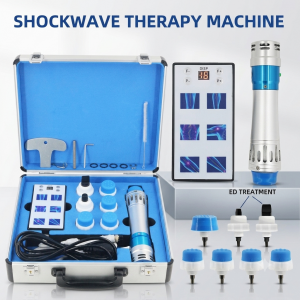
Portable Shock Wave Physiotherapy Machine for Pain Relief ED Treatment Erectile Dysfunction
1. Core Technology and Working Principle Electromagnetic Shockwave Energy: The device utilizes..

Biophilia Wave-Millimeter Wave Therapy Instrument for Diabetes complications
What are millimeter waves? Millimeter waves are electromagnetic waves with wavelengths ranging from..

Biophilia H2O Maximize Bio-resonance Therapy with Terahertz Water
I. Core Scientific Principles: Nanoscale Resonance Deep Empowerment Biophilia H2O is by no means ..