
Effects of Millimeter Wave Therapy on T Cells and Natural Killer Cells
- Sally
- July 07, 2025
- 464
- 1
- 0
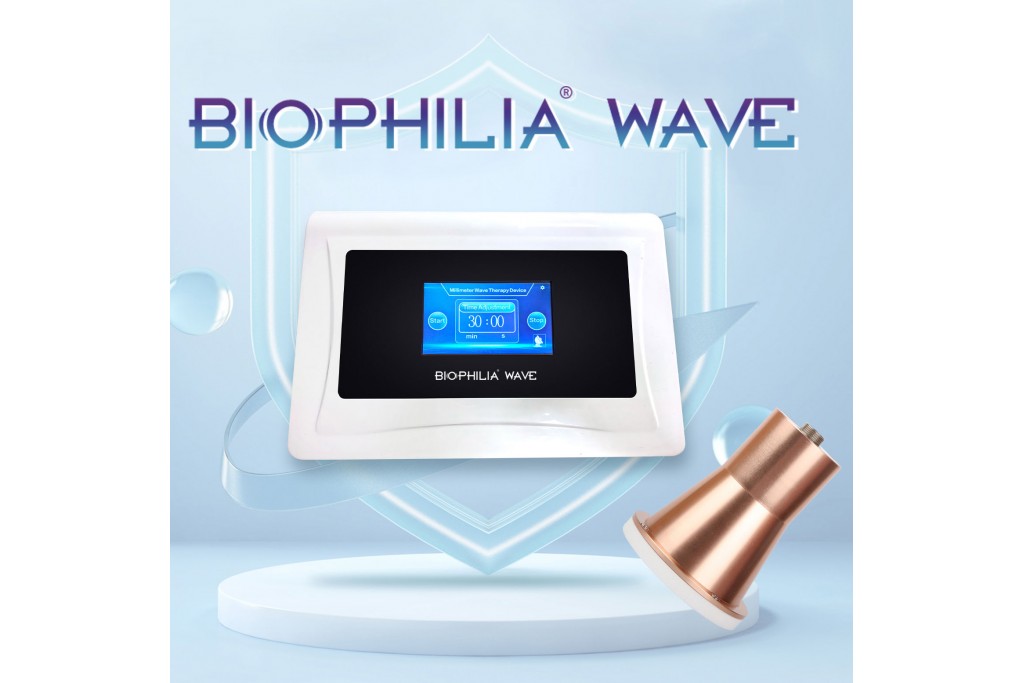
The immune system plays a fundamental role in protecting the body against infections, abnormal cell growth, and other biological challenges. Among its many components, T lymphocytes (T cells) and natural killer (NK) cells are particularly important in regulating immune responses and identifying potentially harmful cells.
Millimeter Wave Therapy (MMWT) has attracted research interest because of its potential effects on immune system activity. Experimental studies have investigated how millimeter waves may influence T cell-mediated immunity, NK cell cytotoxic activity, and the production of important immune signaling molecules.
This article explores research findings concerning the effects of millimeter wave exposure on T cells and NK cells, with particular attention to experimental models involving chemotherapy-induced immune suppression.
1. Effects of Millimeter Wave Therapy on T Cell Functions
T cells are essential components of adaptive immunity. They help coordinate immune responses, recognize specific antigens, and support the body's defense against infections and abnormal cells.
Experimental studies have suggested that Millimeter Wave Therapy may influence T cell-mediated immune responses. One method used to investigate these effects is the delayed-type hypersensitivity (DTH) assay, which measures antigen-specific, T cell-mediated immune reactions in mouse skin.
DTH responses are associated with immunological memory and the activity of antigen-specific T lymphocytes. Therefore, this experimental model provides a useful way to examine changes in cellular immune responses following millimeter wave exposure.
1.1 Millimeter Waves and T Cell Recovery After Chemotherapy
Researchers have also investigated whether millimeter wave exposure may influence immune recovery following treatment with cyclophosphamide (CPA), an anticancer medication.
Cyclophosphamide is an alkylating agent that interferes with DNA replication and cell division. It is widely used in certain chemotherapy regimens because of its ability to inhibit the growth of rapidly dividing cells, including cancer cells.
However, its effects are not limited to tumor cells. Cyclophosphamide can also suppress normal immune cell populations, potentially reducing both humoral immunity and T cell-mediated immune responses.
The recovery of immune function following chemotherapy-induced suppression is an important area of research, particularly because weakened immune defenses may increase susceptibility to secondary infections.
T cells play a central role in this recovery process because they coordinate various aspects of the immune response and interact with other immune cells, including B lymphocytes and macrophages.
1.2 How T Cells Regulate Immune Responses
T cell activity can generally be divided into two major stages:
Activation and differentiation: T cells recognize specific antigens, become activated, proliferate, and develop into specialized functional populations.
Effector response: Activated T cells carry out their immune functions by eliminating infected cells, regulating other immune cells, and releasing signaling molecules known as cytokines.
Two important T cell populations include:
CD8+ Cytotoxic T Cells
These cells can directly recognize and destroy infected or abnormal cells, including certain tumor cells.
CD4+ Helper T Cells
Helper T cells coordinate immune responses by releasing cytokines that regulate the activity of B cells, macrophages, and other immune cells.
Different helper T cell subsets produce different cytokine profiles. For example, Th1-associated immune responses are commonly linked to interferon-gamma (IFN-γ) production, which supports macrophage activation and cellular immunity. Other immune regulatory pathways involve cytokines such as interleukin-10 (IL-10), which helps regulate inflammatory responses.
1.3 Research Findings on T Cell Activity
Experimental studies have reported that millimeter wave exposure may help restore certain immune parameters suppressed by cyclophosphamide treatment.
In particular, the reported findings included:
Increased IFN-γ production following chemotherapy-induced suppression.
Improved T cell proliferation in experimental models.
Potential support for the recovery of T cell-mediated immune responses.
In contrast, the studies reported no significant changes in IL-10 levels or B cell proliferation under the experimental conditions.
These observations suggest that the effects of millimeter waves may involve selective modulation of certain cellular immune pathways rather than a generalized increase in all immune activities.
However, these findings are based on experimental research and should not be interpreted as proof of improved immune function in humans.
1.4 T Cells and Antitumor Immunity
T cells are also important in immune surveillance and the body's response to tumor cells.
Tumors can develop mechanisms that interfere with normal immune function. For example, certain tumor-associated factors may impair the activity of dendritic cells and macrophages, reducing their ability to activate T cells effectively.
This has led to growing interest in T cell-based immunotherapy, which aims to strengthen or restore the immune system's ability to recognize and respond to cancer cells.
Considering experimental findings suggesting that millimeter wave exposure may influence T cell activity after chemotherapy-induced suppression, researchers have proposed further investigation into its potential role as a complementary approach in immunological research.
Nevertheless, its effectiveness and safety as part of cancer treatment have not been established, and it should not replace conventional cancer therapies.
2. Effects of Millimeter Wave Radiation on Natural Killer Cells
Natural Killer (NK) cells are specialized lymphocytes that form an important part of the innate immune system.
Unlike conventional T cells, NK cells can recognize and eliminate certain virus-infected and abnormal cells without requiring the same antigen-specific recognition process. They are particularly important in early immune defense and tumor immune surveillance.
NK cells are characterized by their large granular lymphocyte morphology and the expression of various cell surface receptors. In certain mouse strains, NK1.1 is commonly used as a marker for identifying NK cell populations.
Their major biological functions include:
Recognizing and eliminating certain infected or abnormal cells.
Contributing to immune surveillance against tumor development.
Producing cytokines that regulate immune responses.
Communicating with other immune cells and influencing inflammatory processes.
NK cells are therefore important not only for their direct cytotoxic activity but also for their ability to coordinate broader immune responses.
2.1 Millimeter Waves and NK Cell Activity
Experimental studies have examined the effects of millimeter wave exposure on NK cell function, particularly in animal models involving chemotherapy-induced immune suppression.
In one study, cyclophosphamide administration resulted in a significant reduction in NK cell cytolytic activity in mice.
Following millimeter wave exposure, researchers observed an accelerated recovery of NK cell activity compared with the suppressed state. The studies also reported increased production of tumor necrosis factor-alpha (TNF-α) by NK cells.
TNF-α is an important immune signaling molecule involved in inflammation, immune regulation, and cellular responses to abnormal biological conditions.
Other experimental research involving mice with induced tumors has also reported changes in several immune parameters following millimeter wave exposure, including:
Increased TNF-α production.
Increased nitric oxide production.
Enhanced NK cell activity during the early stages of tumor development.
Additional animal studies have investigated the effects of millimeter wave exposure on NK cell activity following stress-related immune suppression.
Taken together, these findings indicate that millimeter waves may influence certain aspects of innate immune function under specific experimental conditions.
2.2 NK Cells and Cytokine Regulation
NK cell activity is closely connected to cytokine signaling.
Cytokines are small proteins that enable immune cells to communicate and coordinate their responses. Several cytokines, including IL-2, IL-12, IL-15, and IL-18, are involved in regulating NK cell activation, proliferation, and functional activity.
Among them:
IL-2: Supports the activation and proliferation of NK cells and can enhance their cytokine production.
IL-12: Promotes cellular immune responses and stimulates IFN-γ production.
IL-15: Plays an essential role in NK cell development, survival, and maintenance.
IL-18: Works with other cytokines to promote IFN-γ production and immune activation.
Interferon-gamma (IFN-γ) is particularly important because it participates in the regulation of cellular immunity and communication between different immune cell populations.
TNF-α and IFN-γ are also involved in complex pathways associated with tumor immune surveillance and the regulation of abnormal cell growth.
2.3 Millimeter Waves and Immune Signaling Molecules
Research into millimeter wave exposure has reported changes in the production of several immune-related signaling molecules, including IFN-γ, TNF-α, and IL-2.
Some experimental findings have also suggested enhanced NK cell cytotoxic activity following millimeter wave exposure.
These observations have encouraged further investigation into the relationship between millimeter wave exposure, cytokine regulation, and innate immune responses.
However, cytokine production and NK cell activity are influenced by numerous biological factors. An increase in a particular cytokine does not necessarily translate into improved overall immunity or better clinical outcomes.
Further controlled studies are therefore necessary to clarify the underlying mechanisms, optimal exposure parameters, and potential applications in humans.
3. Potential Research Applications of Millimeter Wave Therapy in Immunology
The immune-related effects of millimeter waves have attracted attention in experimental immunology, particularly in research involving cellular immune responses and chemotherapy-induced immune suppression.
The existing experimental findings provide several directions for further investigation:
T Cell Function and Cellular Immunity
Research has explored whether millimeter wave exposure may influence T cell proliferation, cytokine production, and the recovery of cellular immune responses.
Natural Killer Cell Activity
Studies have investigated potential changes in NK cell cytotoxic activity and their ability to participate in innate immune defense.
Cytokine Regulation
The reported changes in IFN-γ, TNF-α, and IL-2 provide a basis for studying how millimeter wave exposure may interact with immune signaling pathways.
Immune Recovery Research
Animal studies involving chemotherapy-induced immune suppression have provided preliminary observations that may help guide future research into immune recovery mechanisms.
These research directions highlight the importance of understanding how physical stimulation may interact with biological signaling systems.
4. Conclusion
T cells and natural killer cells are essential components of the immune system, contributing to adaptive immunity, innate immune defense, and tumor immune surveillance.
Experimental studies have suggested that millimeter wave exposure may influence several aspects of immune cell activity, including T cell proliferation, NK cell cytotoxic function, and the production of cytokines such as IFN-γ and TNF-α.
Research involving chemotherapy-induced immune suppression has also provided preliminary evidence of changes in certain immune parameters following millimeter wave exposure.
Although these findings offer interesting directions for further scientific investigation, the clinical significance of these effects remains uncertain. More rigorous experimental and human clinical studies are needed to establish the mechanisms, effectiveness, and safety of millimeter wave applications.
To learn more about millimeter wave technology and related equipment, explore the Millimeter Wave Therapeutic Instrument from Biophilia Tracker.
Related Products

Quantum Pet Health Scanner For Dog And Cat
Would you like to scan Pets ( Dog and Cat ) overall health in just one minute? Are you interested ..

3 IN 1 Quantum Resonance Magnetic Analyzer
Would you like to scan your body’s overall health in just one minute? Are you intereste..

Dual Screen Ion Detox Foot Spa With TENS Massager For Body Relax
Dual screen ion detox foot spa specification 1. Mutil-functional ionic foot detox spa.2. With..

W.O.Schumann Wave Generator Effectively Improves Sleep Quality
Product IntroductionSchumann wave generatorPower supply voltage: 5V1. Using imported chips, the freq..