
NLS Technology Explained: What Makes It Different from Other Biofeedback Devices?
- Sally
- July 07, 2025
- 426
- 0
- 0
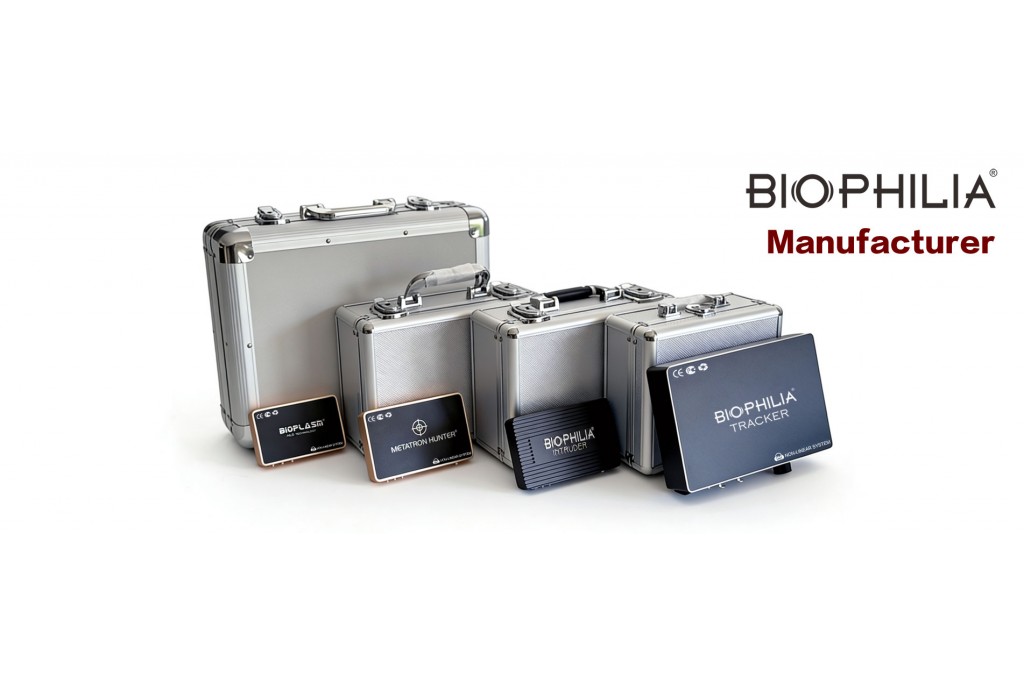
NLS Technology Explained: What Makes It Different from Other Biofeedback Devices?
With the growing availability of biofeedback equipment and wellness analysis systems, choosing the right technology can be challenging. Many devices are promoted with similar descriptions, yet their technical configurations, signal acquisition methods, software platforms, and intended applications may differ considerably.
Among these technologies, Non-Linear System (NLS) equipment has attracted attention for its distinctive approach to information processing and graphical analysis. But what exactly is NLS technology? How does it differ from conventional biofeedback equipment, and what should buyers consider when comparing different systems?
Understanding the technology behind these devices is an important first step. This article explores the general principles, key components, software capabilities, practical considerations, and selection criteria associated with NLS equipment.
1. Understanding NLS Technology
NLS stands for Non-Linear System. In the commercial biofeedback and wellness equipment sector, NLS systems are designed to collect and process signals through specialized hardware and software. The resulting information is presented through graphical interfaces, analytical modules, and reference databases.
Unlike conventional equipment that may focus on a limited number of measurable physiological parameters, NLS products are generally presented as integrated systems combining sensor components, signal-processing technology, and specialized analytical software.
Depending on the model, the system may provide different analytical modules, visual representations, and information categories. These functions allow operators to navigate the software, review generated results, and organize information within a structured interface.
It is important to distinguish the operating principles described by manufacturers from clinically validated diagnostic capabilities. Software-generated NLS results should not be considered proof of a specific disease or biological condition without appropriate independent scientific validation.
2. How Does an NLS System Operate?
An NLS system typically consists of several interconnected components. The hardware provides the interface for signal acquisition, while the software processes available information and displays it in an organized format.
Sensor and Signal Acquisition
Some NLS systems use specialized headphones or other sensor components as part of their operating configuration. These components are connected to the software platform and used according to the manufacturer's technical specifications.
The configuration and function of the sensors may vary between manufacturers and device models. Therefore, when evaluating an NLS system, it is important to understand how its sensors operate, what signals they are designed to collect, and what technical information supports their stated functions.
Software Processing and Information Presentation
Software is one of the most important elements of an NLS device. It provides the working environment through which operators access different modules, review graphical information, navigate reference databases, and generate reports.
An organized software platform can make complex information easier to review. Functions such as visual analysis, categorized databases, comparison tools, and report generation may contribute to a more structured operating experience.
For professional users, the quality of the software experience is not simply a matter of appearance. Interface organization, system stability, data management, operating instructions, and technical support are all important considerations.
3. NLS vs. Other Biofeedback Devices: Understanding the Differences
Although NLS systems and other biofeedback devices may share the general objective of collecting and processing information, they should not automatically be considered identical. Different technologies use different measurement methods, hardware configurations, and data-processing approaches.
For example, conventional biofeedback equipment may focus on measurable physiological parameters such as heart rate, muscle activity, skin conductance, or respiratory patterns. Other systems may use different sensor technologies or measurement techniques.
NLS equipment is generally marketed around specialized signal-processing methods and software-based analytical functions. Its specific technical characteristics depend on the manufacturer and product model.
When comparing different systems, the following factors deserve particular attention:
| Comparison Factor | What to Evaluate |
|---|---|
| Sensor Technology | Sensor configuration, signal acquisition methods, and technical specifications. |
| Software Platform | Interface design, analytical modules, database organization, and reporting functions. |
| Data Management | Information storage, report management, data backup, and accessibility. |
| Ease of Operation | Learning curve, operating procedures, and user interface clarity. |
| Technical Support | Installation assistance, training, troubleshooting, and software updates. |
| Long-Term Value | Product reliability, maintenance, service life, and total ownership costs. |
There is no single feature that determines whether one system is better than another in every situation. The most suitable equipment depends on its intended application, technical documentation, operational requirements, and the user's expectations.
4. Why Software Quality Matters When Choosing an NLS Device
When selecting an NLS biofeedback device, buyers often focus on the hardware. However, software capabilities are equally important because they directly influence how users interact with the equipment.
A well-developed software platform should ideally offer:
- Clear navigation: A logical interface that allows users to access different functions conveniently.
- Organized analytical modules: Clearly categorized functions and information for efficient operation.
- Visual presentation: Graphical displays that make software-generated information easier to review.
- Report management: Convenient tools for reviewing and organizing session information.
- System compatibility: Reliable operation with supported computers, operating systems, and hardware configurations.
- Technical assistance: Access to product documentation, software guidance, and troubleshooting support.
Before purchasing, prospective users should request a demonstration and verify that the software features meet their practical requirements. It is also advisable to confirm whether software updates, database changes, and technical support are included in the product package.
5. Who May Be Interested in NLS Equipment?
NLS equipment may attract different types of users interested in biofeedback-related technology, wellness information systems, and non-invasive analytical equipment.
Depending on the product's intended use and applicable local regulations, potential customers may include:
- Wellness and complementary health service providers.
- Professionals exploring biofeedback-related technologies.
- Wellness centers and related service businesses.
- Distributors and companies specializing in health-related equipment.
- Individuals interested in learning about NLS technology.
Users should always receive appropriate operating instructions and understand the limitations of the equipment. NLS software outputs should not be used as a substitute for established medical examinations or professional diagnosis.
6. What Should You Look for When Choosing an NLS Device?
With numerous products available, choosing an appropriate NLS system requires more than comparing prices or promotional descriptions. A careful evaluation of the product's technical configuration and the manufacturer's support capabilities can help reduce purchasing risks.
Before making a decision, consider asking the supplier the following questions:
- What hardware and sensor components are included?
- What software functions and analytical modules are available?
- Is the software compatible with your computer configuration?
- What technical documentation and operating instructions are provided?
- Does the supplier offer remote assistance or user training?
- What warranty, maintenance, and after-sales services are available?
- Are the product's intended applications consistent with local regulatory requirements?
Taking time to compare these details will help you understand what you are purchasing and whether the equipment is suitable for your intended use.
7. Explore Biophilia Tracker NLS Solutions
At Biophilia Tracker, we focus on the development and supply of NLS-related equipment for international customers and professional markets.
Our product range is designed to offer different hardware configurations and software solutions to meet varying customer requirements. Whether you are exploring NLS technology for the first time or looking for additional equipment for your business, understanding the specifications and functions of each model is an important part of the selection process.
We encourage prospective customers to review product information, compare available configurations, and communicate directly with our team to identify the equipment that best matches their needs.
Our team welcomes product inquiries and is available to provide information about equipment specifications, software functions, operating procedures, and cooperation opportunities.
8. Become Our Global NLS Distributor
As interest in NLS equipment and biofeedback-related technologies develops across international markets, we are looking for motivated business partners and distributors who are interested in introducing our products to more customers worldwide.
We believe that successful international cooperation should be built on mutual trust, reliable products, effective communication, and long-term support.
Distributor Cooperation and Support
We aim to provide our distributors with practical resources to support their business development, including:
- Competitive wholesale pricing: Distributor pricing designed to support local market development.
- Product information: Access to product specifications, descriptions, and promotional materials.
- Technical guidance: Assistance with product operation and technical questions.
- Marketing support: Resources to help introduce products to potential customers.
- Long-term cooperation: Ongoing communication and support throughout the partnership.
We welcome distributors, business owners, and professional partners who have a genuine interest in our products and a commitment to developing their local markets.
If you would like to learn more about distributor pricing, cooperation requirements, or available product models, please contact us. We look forward to exploring opportunities for mutually beneficial cooperation.
Discover NLS Technology with Biophilia Tracker
Explore our NLS equipment, learn more about available product solutions, and contact our team for product inquiries or distributor cooperation.
Explore Our ProductsWebsite: www.biophiliatracker.com
Disclaimer: NLS equipment described in this article is discussed in the context of its marketed technology and software functions. Statements about product capabilities should be evaluated against the relevant manufacturer's technical documentation and independent evidence. NLS software-generated results are not established medical diagnoses and should not replace validated medical testing, professional healthcare advice, or appropriate medical treatment. Product availability, specifications, and intended uses may vary by model and jurisdiction.
Related Products

Biophilia Intruder Bioresonance Machine for Fast screening the Bacteria and Viruses
Each organ, tissue, and cell in our body has a distinct frequency which is made possible by the ro..

Bioplasm 8D-LRIS Bioresonance Machine - Aura Chakra Healing
The Non-Linear System (NLS) uses the most advanced Resonance spectroscopy analysis, Quantum resona..

Top Biophilia Tracker X5 Ultra NLS Bioresonance Machine
How Does Bioresonance Biofeedback Work? Each organ, tissue, and cell in our body has a disti..

BIOPHILIA VITAL -Compact Bioresonance Analysis & Frequency Therapy System
Features Description: The Biophilia Vital is a kind of Pathomorphology, Microbiol..