
The Development and Technological Evolution of Non-Linear Diagnostic Systems (NLS)
- Sally
- August 08, 2026
- 309
- 0
- 0
The Development and Technological Evolution of Non-Linear Diagnostic Systems (NLS)
Non-Linear Systems (NLS) have attracted increasing attention in the field of bioresonance technology and digital health analysis. As technology continues to evolve, modern NLS equipment is incorporating improved digital components, more efficient data processing, and enhanced visualization capabilities.
1. The Continuous Development of NLS Technology
NLS technology is an evolving field. Ongoing hardware and software development has introduced new approaches to data collection, signal processing, and information presentation. Regular software updates and system improvements can help enhance usability, optimize operational workflows, and introduce additional analytical features.
The introduction of digital trigger sensors and updated electronic components has also contributed to more streamlined equipment operation. These developments aim to improve the efficiency of data acquisition and provide users with a more convenient experience.
2. Digital Analysis and Three-Dimensional Visualization
One important direction in NLS development is the integration of advanced visualization technologies. Three-dimensional displays, structured data reports, and interactive interfaces can help users review and interpret system-generated information more intuitively.
Some systems also incorporate vegetative testing features and other analytical functions. These tools are designed to support structured information collection and provide additional reference data within the system's intended application scope.
3. Research and Emerging Applications
Research and development activities continue to explore new approaches to nonlinear signal analysis and digital information processing. Potential areas of technical investigation include biological signal studies, data visualization, and the development of more integrated analytical platforms.
As research progresses, it is important to distinguish between experimental applications, technical capabilities, and clinically validated uses. Further independent research and scientific validation are necessary before NLS-based methods can be considered established tools for specific medical diagnostic or treatment decisions.
4. NLS Technology and Other Imaging Methods
Modern medical imaging technologies, including Magnetic Resonance Imaging (MRI), commonly referred to as NMR-based imaging, and Computed Tomography (CT), operate using established physical principles and clinically validated procedures.
NLS systems represent a different technological approach, with their own hardware configurations, signal-processing methods, and software interfaces. They should not be considered direct replacements for MRI, CT, ultrasound, laboratory testing, or other established medical examination methods.
5. Equipment Development and Accessibility
Another factor contributing to interest in NLS technology is the variety of equipment configurations available on the market. Compared with some advanced medical imaging installations, certain NLS systems may have lower initial equipment costs and more flexible installation requirements.
For example, the Bioplasm NLS 2-in-1 Bioresonance Machine represents one equipment option in this product category. Its integrated design provides users with access to the system's supported functions through a dedicated operating platform.
Equipment selection should take into account product specifications, software functions, technical support, operating requirements, and the intended application environment. Lower equipment costs should not be interpreted as evidence of equivalent clinical performance to established medical technologies.
6. Future Perspectives
The future development of NLS systems will likely focus on hardware integration, improved software interfaces, data visualization, operational efficiency, and more standardized technical evaluation.
As the industry continues to develop, transparent product specifications, independent technical assessments, and reliable scientific evidence will play an increasingly important role in building user confidence.
Overall, NLS technology reflects an ongoing area of development in bioresonance-related equipment and digital analysis. Understanding its technical features, intended applications, and limitations can help users make more informed decisions when exploring available systems.
Explore Biophilia Tracker Products
Discover our range of bioresonance equipment and learn more about product features and technical specifications.
Visit Our WebsiteDisclaimer: This article is provided for general informational and educational purposes only. Descriptions of NLS technology do not establish clinical diagnostic accuracy or treatment effectiveness. NLS equipment should not replace professional medical evaluation, established diagnostic procedures, or prescribed medical treatment.
Related Products

Biophilia Intruder Bioresonance Machine for Fast screening the Bacteria and Viruses
Each organ, tissue, and cell in our body has a distinct frequency which is made possible by the ro..
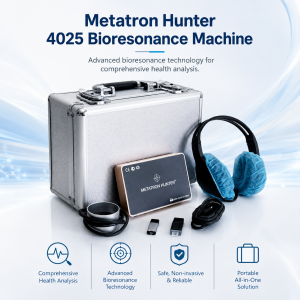
Metatron 4025 Hunter Health Analyzer For Body Sub-Health Evaluate
Simply saying, it is an advanced Non-Invasive Diagnostic Device for physical examination & ana..

Bioplasm NLS 2 in 1 Bioresonance Machine - Aura Chakra Healing
The principles of 2 in 1 Bioplasm NLS developed by modern day Russian scientists reveal that ..

Top Biophilia Tracker X5 Ultra NLS Bioresonance Machine
How Does Bioresonance Biofeedback Work? Each organ, tissue, and cell in our body has a disti..