
17D-NLS System: Technology, Principles and Training Guide
- Sally
- July 07, 2024
- 1495
- 1
- 0
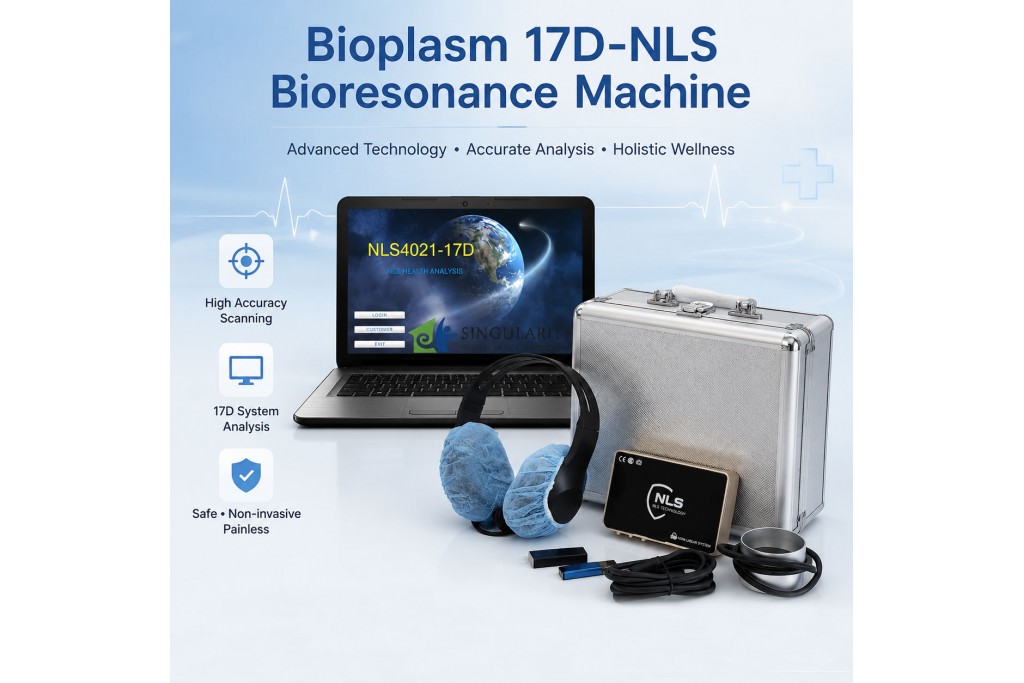
Understanding the 17D-NLS System: Technology, Principles and Training
The 17D-NLS is a nonlinear analysis system designed to work with specialized software and sensor technology. It belongs to a category of equipment sometimes described as computer-assisted or brain-oriented analysis systems.
1. Understanding the Concept of 17D-NLS
Modern science generates an enormous amount of information. New technologies, research findings and analytical tools are continuously being developed. While this progress creates more opportunities, it also makes organizing and interpreting complex information increasingly important.
In traditional healthcare, professional experience and clinical judgment have always played important roles alongside scientific testing. Today, computer-assisted technologies offer additional ways to organize information and support structured analysis.
The 17D-NLS system is designed around this concept, combining specialized sensors, electronic components and software to provide a digital analysis experience.
2. Sensor Technology and System Configuration
One of the technical features described in certain 17D-NLS configurations is the use of digital and analog trigger mechanisms. The digital trigger function can be simulated through the main unit's microprocessor and computer software, while an analog trigger mechanism may use a PN-junction transistor in the main research unit.
These components form part of the system's electronic architecture. Their specific configuration and performance characteristics may vary depending on the manufacturer and device model.
3. Differences Between 17D-NLS Device Configurations
Different manufacturers may adopt different hardware designs and signal-processing approaches. Some earlier configurations used headphone-based components described as magneto-inductive elements, while later versions may incorporate alternative electromagnetic signal transmission technologies.
Certain models also incorporate laser-based components. These design differences may influence the device's operating principles, user experience and technical characteristics.
Therefore, it is important to evaluate each 17D-NLS model according to its actual hardware configuration, software functions and manufacturer's technical documentation rather than assuming that all systems operate identically.
4. The Purpose of the 17D-NLS Training Program
The purpose of a training program for the 17D-NLS system is to help users understand its software interface, operating procedures, sensor configuration and basic technical concepts.
Rather than providing a complete scientific explanation of every device design, the training focuses on practical operation and an understanding of the different technologies used across various system configurations.
Proper training can help users become familiar with the equipment, interpret software-generated information appropriately and understand the limitations of the system.
5. Important Considerations
The technical principles and functions of NLS equipment should be evaluated based on verifiable specifications and independent scientific evidence. Software-generated results should not be considered a substitute for established medical diagnostic procedures or professional medical advice.
Users should also follow the manufacturer's operating instructions and safety recommendations, particularly when working with equipment that incorporates electromagnetic or laser-based components.
Conclusion
The 17D-NLS represents a category of computer-assisted nonlinear analysis equipment that combines electronic sensor technology, specialized software and different hardware configurations. Understanding its technical structure and operating procedures is essential for responsible use.
By learning about its components, software functions and model-specific differences, users can develop a clearer understanding of the 17D-NLS system and its role within the broader field of computer-assisted analysis technologies.
Learn More About the 17D-NLS System
Explore the product specifications and features of the 17D-NLS Bioresonance Machine to learn more about its configuration and applications.
Related Products

Bioplasm NLS 2 in 1 Bioresonance Machine - Aura Chakra Healing
The principles of 2 in 1 Bioplasm NLS developed by modern day Russian scientists reveal that ..
Bioplasm 18D-NLS Bioresonance Machine - Aura Chakra Healing
The principles of the 18D NLS Bioresonance have their origins in bioresonance research t..
Bioplasm 17D-NLS Bioresonance Machine - Aura Chakra Healing
Bioresonance is basically the interaction between the organisms and their frequency patterns that ..
Bioplasm 9D-NLS Bioresonance Machine - Aura Chakra Healing
Bio-resonance or NLS-diagnostics aim at obtaining information about the state of your health ..